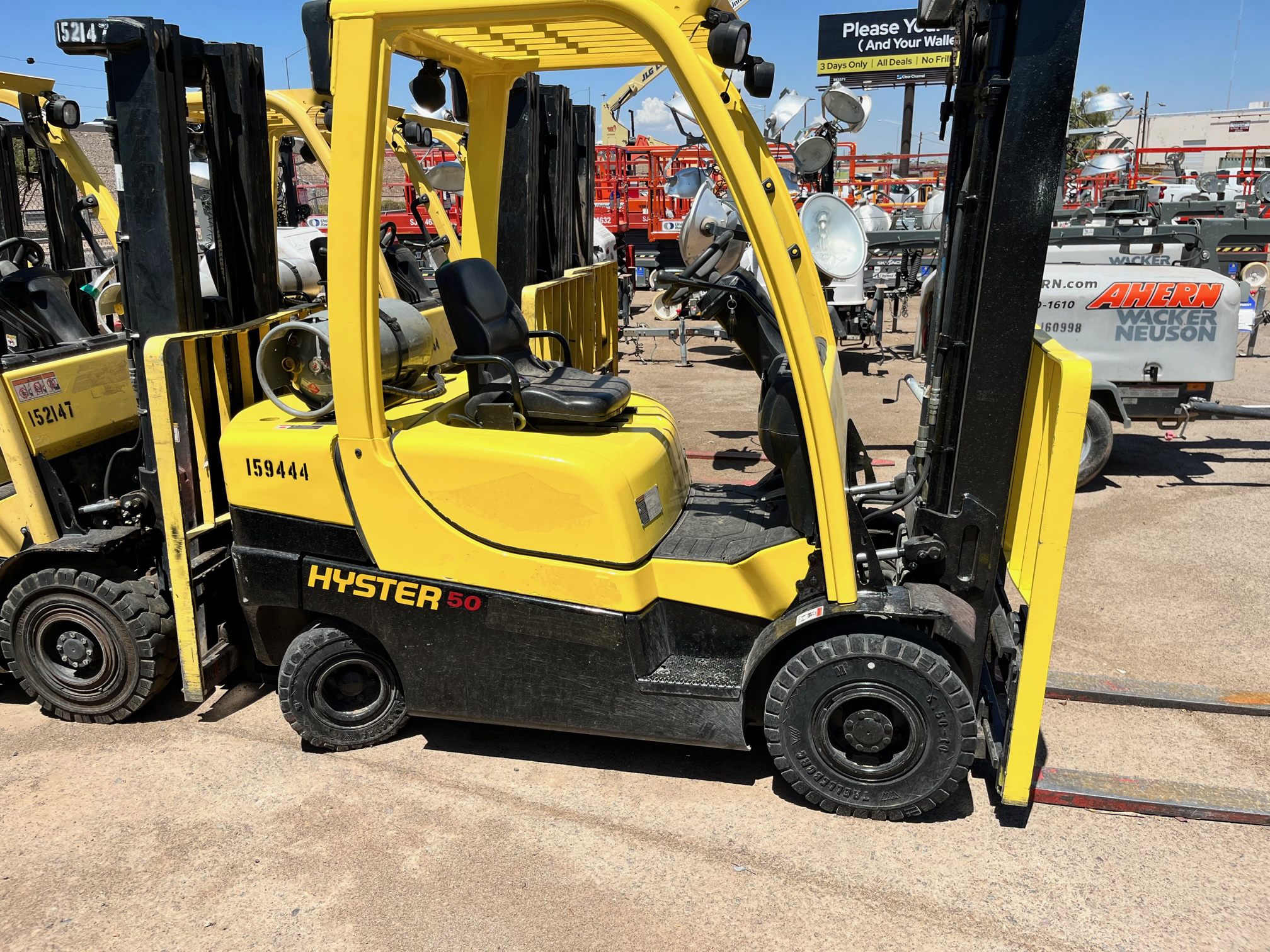
When you are comparing used forklifts, the hour meter is one of the first numbers you will notice. A forklift with 4,000 hours may look like the safer choice than one with 10,000 hours, but that number only tells part of the story. Maintenance history, operating conditions, equipment type, and previous workload all influence how much useful life a forklift may have left.
Around 10,000 hours is often considered high for a used forklift, but that does not automatically make the machine a poor investment. A well-maintained forklift that worked in a clean warehouse may be in better condition than a lower-hour unit that handled heavy loads outdoors every day.
This guide explains how to evaluate forklift hours, what warning signs to look for, and when a high-hour machine may still be a good purchase. It will also help you compare condition, expected repair costs, and future workload before choosing a used forklift for your operation.
How Many Hours Is Considered High for a Used Forklift?
In most cases, a used forklift is considered high-hour once it reaches about 10,000 operating hours. That number is a useful benchmark, but it should not be treated as an automatic cutoff.
A forklift with fewer than 5,000 hours is generally considered lower-hour equipment. Forklifts between 5,000 and 10,000 hours usually fall into a moderate-use range, while machines with more than 10,000 hours require a closer inspection of their condition, service history, and expected repair needs.
| Forklift hours | General classification | What buyers should consider |
| Under 5,000 hours | Lower-hour used forklift | Condition, price, and maintenance history |
| 5,000 to 10,000 hours | Moderate use | Component wear and upcoming service needs |
| 10,000 to 15,000 hours | High hours | Detailed inspection, records and purchase price |
| More than 15,000 hours | Extended use | Major-component history, application and total ownership cost |
A well-maintained forklift with 12,000 hours may still be a better purchase than a neglected forklift with 6,000 hours. The key is understanding how the machine was used, whether maintenance was completed on schedule, and whether the current price reflects its condition.
Before ruling out a high-hour forklift, review the service records, inspect major components, and consider how many hours you expect to use the machine each year.
What Do Forklift Hours Actually Measure?
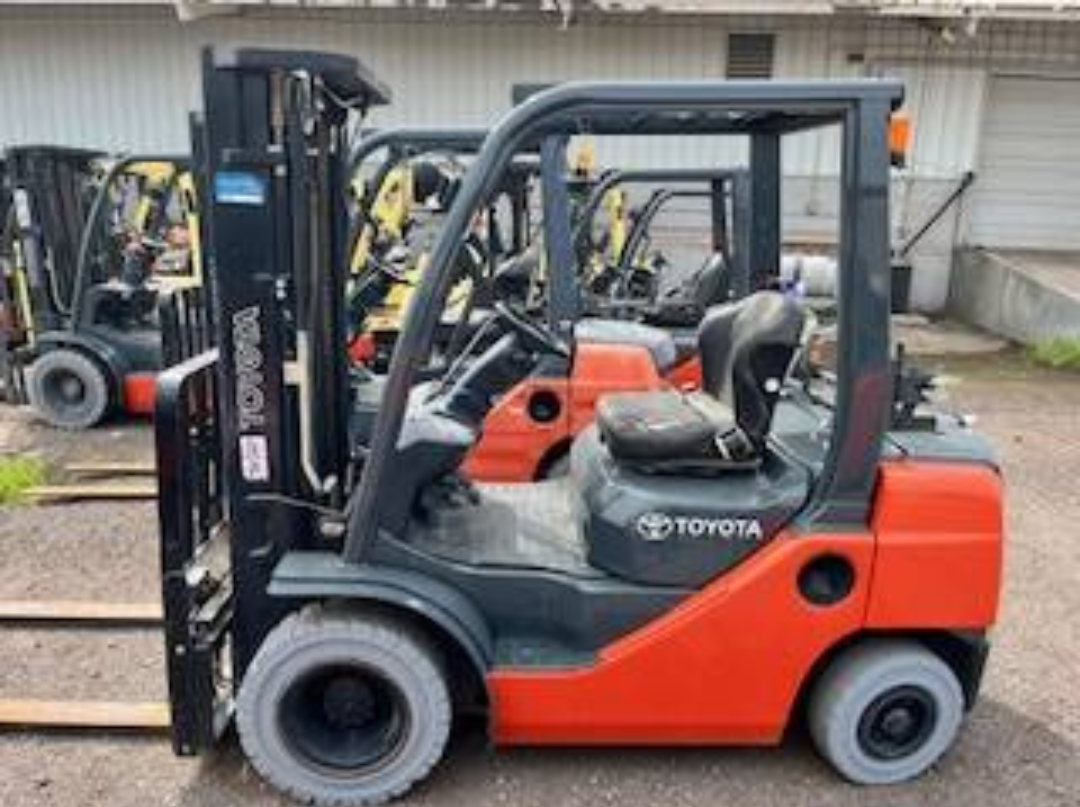
Forklift hours measure operating time, but the exact method can vary by manufacturer and model. Some hour meters track the amount of time the key is turned on, while others record engine runtime, drive time, or hydraulic activity.
That difference matters when comparing two used forklifts. A machine that spent long periods idling may show the same number of hours as one that handled loads continuously throughout the day, even though the amount of mechanical wear may be very different.
How the Hour Meter Works
Depending on the forklift, the meter may track:
- Key-on time
- Engine-running time
- Drive or traction time
- Hydraulic pump activity
Ask the seller or dealer what the hour meter records on that specific model. This helps you compare equipment more accurately.
Why Hours Do Not Tell the Full Story
The meter reading should match the physical condition of the forklift. Check the seat, pedals, controls, tires, mast, and carriage for wear.
An older forklift with very low hours deserves a closer look if the controls, forks, or operator area show heavy use. That could indicate a replaced meter, incomplete records, or operating conditions that caused more wear than the hour count suggests.
Use the hour meter as one part of the evaluation, then confirm the machine’s condition through service records and a detailed inspection.
How Long Does a Forklift Usually Last?
A well-maintained forklift can often provide around 10,000 operating hours of useful service, and some machines continue working well beyond that point. Actual lifespan depends on how the forklift was maintained, where it was used, and how much stress it handled during daily operation.
A forklift used for one shift per day may accumulate between 1,500 and 2,000 hours each year. At that pace, a five-year-old machine could reasonably have between 7,500 and 10,000 hours. Forklifts used across multiple shifts can reach those numbers much faster.
What Extends a Forklift’s Service Life?
Several factors can help a forklift remain dependable as the hour count increases:
- Preventive maintenance completed on schedule
- Regular oil, filter, coolant, and hydraulic fluid changes
- Proper battery care for electric forklifts
- Operation within the machine’s rated capacity
- Early replacement of worn tires, chains, hoses, and seals
- Proper operator training
- Timely repairs before minor issues cause larger failures
A forklift that has received consistent service may continue operating reliably at a higher hour count. Service records can help confirm whether maintenance was completed and whether major components have already been repaired or replaced.
Useful Life Versus Economical Life
A forklift may still run after 10,000 hours, but continued operation does not always make financial sense. Buyers should consider how often the machine needs repairs, how long it remains out of service, and whether replacement parts are readily available.
Frequent downtime can disrupt shipping, production, and warehouse operations. A lower purchase price may lose its value if the forklift requires ongoing repairs or causes delays.
The best buying decision comes from comparing the machine’s remaining service life with its expected maintenance costs and planned workload.
Factors That Matter More Than the Hour Meter
Forklift hours provide a useful starting point, but they should never be the only factor used to judge a used machine. Two forklifts with the same number of hours can have very different levels of wear depending on how they were maintained, where they operated, and what kind of work they performed.
Maintenance and Service Records
Consistent maintenance can make a higher-hour forklift a stronger purchase than a lower-hour machine with an uncertain history.
Ask for records showing:
- Oil and filter changes
- Hydraulic fluid service
- Cooling system maintenance
- Brake repairs
- Mast and chain inspections
- Battery service
- Tire replacement
- Major component repairs
Look for a regular service pattern rather than long gaps between repairs. Maintenance records can also show whether expensive components, such as the transmission, hydraulic pump, battery, or mast rollers, have already been replaced.
Previous Working Environment
The environment where a forklift operated can have a major effect on its condition.
A forklift used inside a clean warehouse may experience less wear than one used in a dusty yard, lumber facility, construction site, or outdoor loading area. Dirt and debris can affect the cooling system, moving parts, seals, and electrical components.
Arizona heat creates additional concerns. Buyers should inspect the radiator, cooling system, battery, hoses, and tires for signs of heat-related wear.
Load Weight and Daily Application
A forklift that regularly handled loads near its maximum capacity may have more wear than one used for lighter materials.
Heavy loads can place additional stress on:
- The mast
- Hydraulic components
- Transmission
- Steering system
- Brakes
- Tires
Frequent travel on ramps, uneven surfaces, or long warehouse routes can also increase drivetrain and tire wear.
Operator Habits
Operator behavior can affect a forklift’s condition just as much as total operating hours.
Hard braking, fast directional changes, improper lifting, and repeated contact with racks or curbs can shorten the life of major components. Look for body damage, bent panels, damaged forks, worn controls, and impact marks around the overhead guard.
These signs may indicate that the forklift experienced rough use.
Brand, Model, and Parts Availability
A used forklift is easier to own when parts and qualified service technicians are readily available.
Before buying, consider:
- Local parts availability
- Manufacturer support
- Common repair issues for the model
- Technician familiarity
- Cost of replacement components
A well-supported forklift with higher hours may be a better long-term choice than a lower-hour machine that is difficult or expensive to repair.
How Forklift Type Changes the Hour Evaluation
The number of operating hours can mean different things depending on the type of forklift. Electric, propane, diesel, and specialty forklifts experience wear in different areas, so buyers should evaluate each machine based on its power source and intended application.
Propane and Internal-Combustion Forklifts
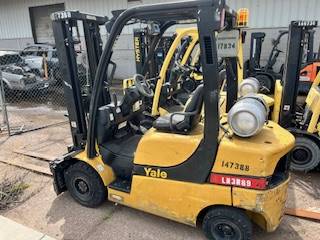
For propane and diesel forklifts, operating hours affect the engine, transmission, cooling system, and exhaust components.
During an inspection, check:
- Cold-start performance
- Engine noise
- Exhaust smoke
- Fluid leaks
- Transmission engagement
- Cooling system condition
- Oil and coolant levels
The forklift should start smoothly, idle consistently, and shift into forward and reverse without significant delay. Knocking, excessive smoke, overheating, or slipping transmission components may indicate expensive repairs.
Cooling system condition is especially important for forklifts used outdoors in Arizona. Inspect the radiator, hoses, water pump, and coolant for signs of neglect or repeated overheating.
Electric Forklifts
An electric forklift’s hour count should be reviewed separately from the condition of its battery. A low-hour machine may still require a costly battery replacement if the battery is old, damaged, or poorly maintained.
Ask about:
- Battery age
- Remaining capacity
- Charging history
- Watering and maintenance records
- Cable and connector condition
- Charger compatibility
Test the forklift while lifting and driving under load. A battery that loses power quickly or causes performance to drop may be near the end of its useful life.
The purchase price should account for the condition of both the forklift and the battery.
Heavy-Capacity and Specialty Forklifts
Heavy-capacity, narrow-aisle, reach, and rough-terrain forklifts often operate under more demanding conditions than standard warehouse equipment.
A high-capacity forklift may have lower hours but show significant wear from repeatedly lifting heavy loads. A reach truck may accumulate hours through constant movement and frequent lift cycles inside a warehouse.
Compare each forklift with equipment from the same class. Review its capacity, lift height, mast configuration, attachments, and previous application before deciding whether the hour count is reasonable.
How to Decide Whether the Price Matches the Hours
A used forklift’s price should reflect more than its hour meter. Before buying, calculate the complete cost of putting the machine into service and keeping it dependable.
Estimate the Complete Ownership Cost
Start with the advertised price, then add any expenses the forklift may require immediately or soon after purchase.
Include:
- Immediate repairs
- New tires
- Battery or charger replacement
- Preventive maintenance
- Transportation and delivery
- Expected downtime
- Future major repairs
A lower-priced forklift can quickly become the more expensive option if it needs tires, hydraulic repairs, or a replacement battery shortly after delivery. Estimating these costs before purchase gives you a clearer picture of the machine’s actual value.
Compare Machines With Similar Specifications
Price comparisons only make sense when the forklifts have similar capabilities.
Compare equipment with the same:
- Capacity
- Fuel type
- Tire type
- Mast height
- Attachments
- General equipment class
A compact electric warehouse forklift should not be compared directly with a heavy-capacity pneumatic forklift designed for outdoor use. Their operating costs, capabilities, and market values are different.
Gunnar Forklift Sales can help buyers compare similar machines from its available inventory and determine whether the price, hours, and condition make sense for the intended application.
Questions to Ask a Used Forklift Dealer
Before purchasing a used forklift, ask the dealer for details about the machine’s history, condition, and expected maintenance needs. Clear answers can help you determine whether the hours and price reflect the forklift’s actual value.
Key questions include:
- What type of operating time does the hour meter record?
- Has the hour meter ever been repaired or replaced?
- Where and how was the forklift previously used?
- Did it operate during one shift or multiple shifts?
- Are maintenance and service records available?
- Have the engine, transmission, mast, or hydraulic components been rebuilt?
- Has the forklift been inspected and tested under load?
- Are any repairs or maintenance services expected soon?
- What is the age and condition of the battery?
- Does the purchase include a compatible charger?
- Are replacement parts readily available?
- Can the forklift be serviced locally?
- Is delivery available to your facility?
- Would renting make more sense for your expected workload?
- Is another machine better suited to your capacity, environment, or operating schedule?
A reputable dealer should help you compare available options based on your application, rather than focusing only on price or hours.
Find the Right Used Forklift at Gunnar Forklift Sales
Ten thousand hours is a useful benchmark for identifying a high-hour forklift, but it should not be treated as an automatic cutoff. Buyers should review the maintenance records, mechanical condition, previous application, required repairs, planned annual use, and total ownership cost.
A properly maintained forklift with higher hours may offer better value than a lower-hour machine with poor service history or hidden problems. Before making a final decision, have the equipment inspected and tested under load.
Find the Right Used Forklift at Gunnar Forklift Sales
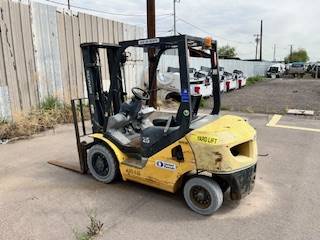
Gunnar Forklift Sales helps businesses throughout Phoenix and Arizona compare used forklifts based on hours, capacity, fuel type, mast configuration, and expected operating costs. The team also provides rentals, inspections, field service, and shop repairs.
Browse our used forklift inventory or call Gunnar Forklift Sales at (602) 549-8333 to discuss the right equipment for your operation.