
Choosing between an electric forklift and a propane forklift can significantly affect operating costs, productivity, maintenance, and how smoothly your facility runs.
Both can be excellent choices. The better option depends on where the forklift will operate, how many hours it will run each day, what it needs to lift, and how your business handles charging or fuel.
A warehouse running forklifts indoors for a single shift has very different needs from a manufacturer operating around the clock or a contractor moving materials between a warehouse and an outdoor yard.
Before buying a forklift, compare more than the purchase price. Understanding the differences between electric and propane forklifts can help you choose equipment that fits your operation today and keeps making financial sense over time.
How Electric and Propane Forklifts Work
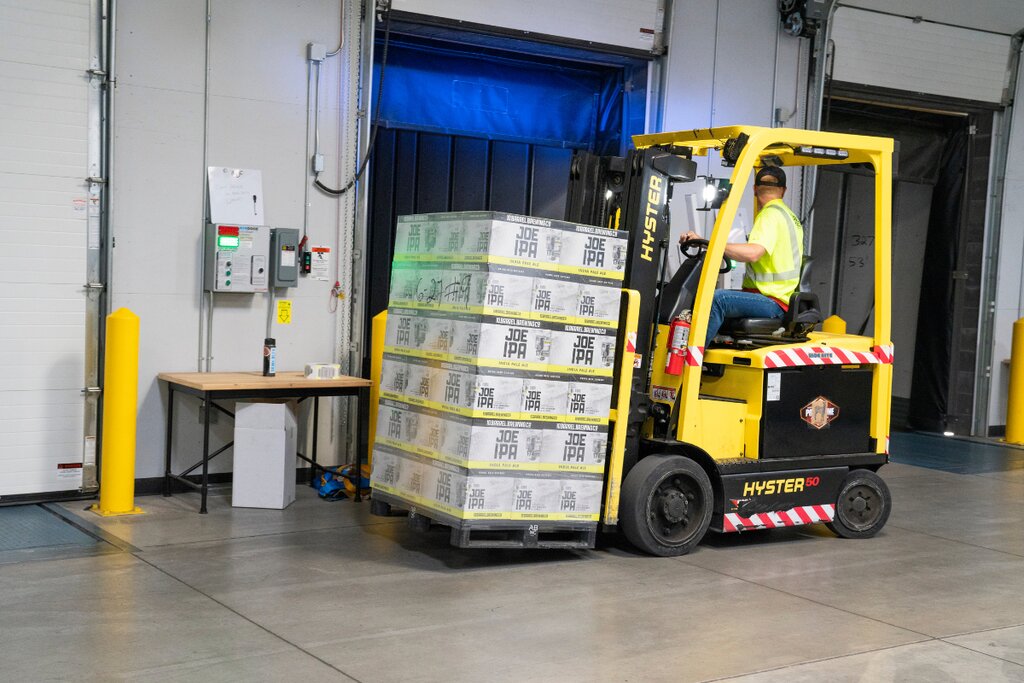
Electric forklifts use rechargeable industrial batteries rather than an internal combustion engine. Traditional electric forklifts commonly use lead-acid batteries, while lithium-ion batteries are becoming more common.
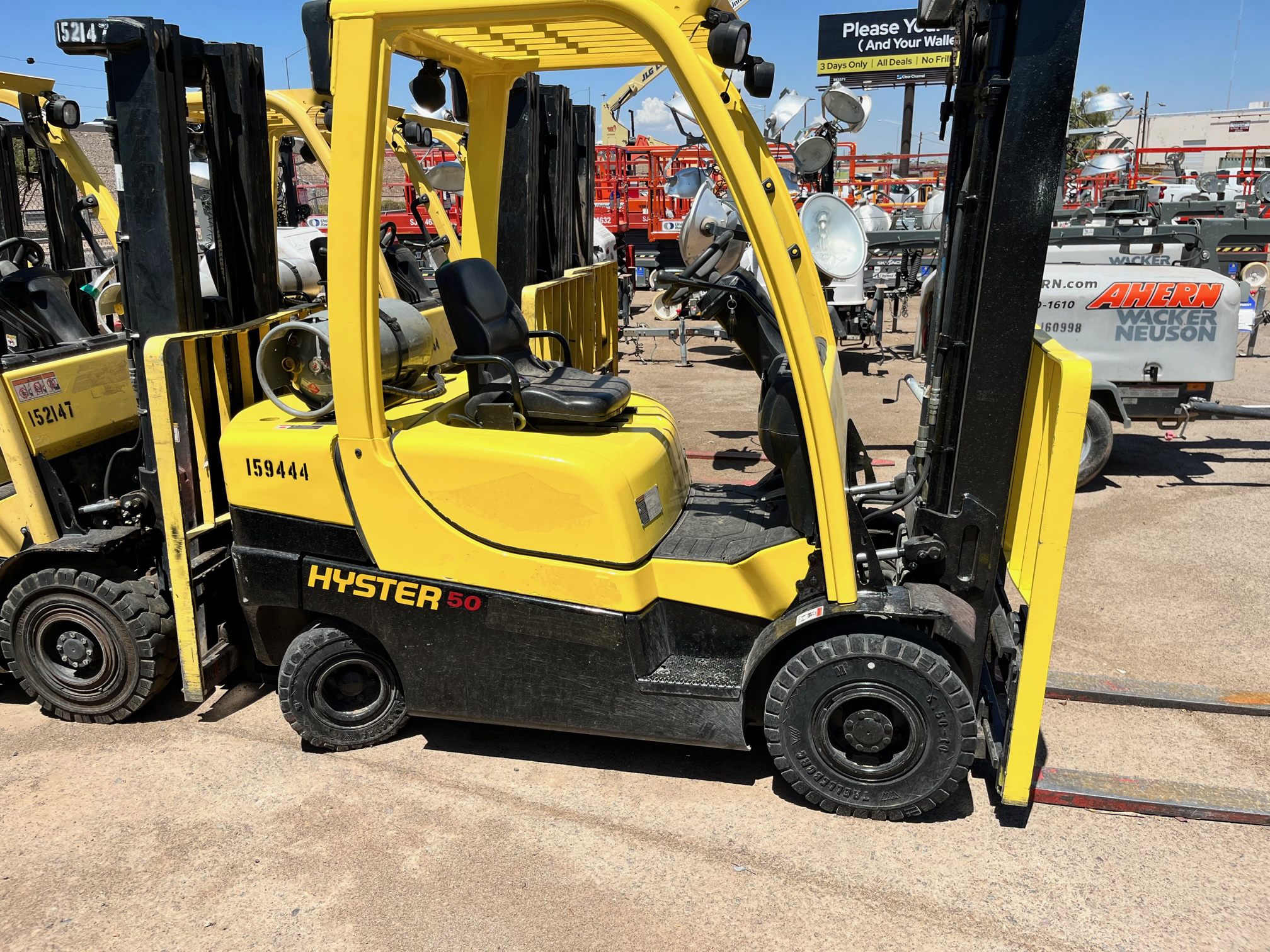
Propane forklifts use liquid propane gas, commonly called LP or LPG, stored in removable cylinders. When a cylinder runs low, operators can replace it with a full cylinder and put the forklift back into service.
Both types are used extensively in warehouses, manufacturing facilities, distribution operations, and other material-handling environments. If you are still getting oriented to the basics, our Forklifts 101 guide covers classes, capacities, and terminology.
The differences become more important when you consider how the equipment will be used every day.
Electric vs. Propane Forklifts at a Glance
Here is a basic comparison:
| Factor | Electric Forklift | Propane Forklift |
| Indoor Use | Excellent | Very good with proper ventilation |
| Outdoor Use | Depends on model and conditions | Very good |
| Tailpipe Emissions | None during operation | Produces combustion emissions |
| Noise | Quieter | Louder |
| Refueling / Charging | Requires charging | Fast cylinder replacement |
| Maintenance | Generally fewer engine-related components | Requires engine maintenance |
| Multi-Shift Use | May require a charging strategy or additional batteries | Easy to refuel between shifts |
| Infrastructure | Charger and electrical capacity required | Propane storage and supply required |
| Mixed Indoor/Outdoor Use | Possible depending on equipment | Very flexible |
There is no universal winner. Your operating environment usually determines which advantages matter most.
Upfront Cost: Look Beyond the Forklift Price
The initial forklift price is only one part of the investment.
With an electric forklift, you also need to consider the battery and charger. Depending on your facility and the equipment you buy, you may also need electrical upgrades or a dedicated charging area.
A traditional lead-acid battery system may require enough downtime to complete a full charging cycle. Businesses with multiple shifts sometimes purchase additional batteries or use dedicated battery-changing equipment.
Lithium-ion batteries can simplify that process because they can often be charged during breaks and other periods when the forklift is idle.
Propane forklifts usually require less charging infrastructure, but you still need propane cylinders, a reliable fuel supplier, and a safe location for storing cylinders.
For businesses without an existing forklift charging area, propane may be easier to deploy quickly.
The best comparison is based on total operating cost, not purchase price alone.
Operating Costs: Electricity vs. Propane
Electric forklifts can offer attractive operating costs, particularly for businesses that use their equipment frequently.
Electric motors are efficient, and electricity costs can be relatively predictable. The actual cost per operating hour depends on local electricity rates, forklift size, battery condition, load weight, and daily usage.
Propane forklifts require an ongoing fuel supply. Cost depends on propane prices, forklift efficiency, operating hours, and workload.
A business using a forklift for only a few hours per week may not see the same savings from electric equipment as a high-volume warehouse running several forklifts every day.
One useful way to compare equipment is to estimate the cost per operating hour.
Include:
- Electricity or propane
- Routine maintenance
- Expected repairs
- Battery replacement costs
- Charging equipment
- Downtime
- Expected years of use
Looking at those costs over several years provides a much more useful comparison than focusing only on the purchase price.
Electric Forklift Maintenance
Electric forklifts typically have fewer engine-related components that require routine service.
You will still need to maintain the forklift’s hydraulic system, brakes, mast, tires, steering components, and electrical systems.
The battery also deserves special attention.
Traditional lead-acid batteries may require:
- Proper watering
- Regular inspection
- Cleaning
- Appropriate charging cycles
- Periodic equalization charging
Poor battery maintenance can shorten battery life and increase operating costs. A planned maintenance program keeps those service intervals from slipping.
Lithium-ion batteries generally require less day-to-day maintenance, but the forklift and charging system must be compatible with the battery technology.
When purchasing a used electric forklift, battery condition should be part of the buying decision. A forklift with an attractive price can become considerably more expensive if the battery needs replacement shortly after purchase.
Propane Forklift Maintenance
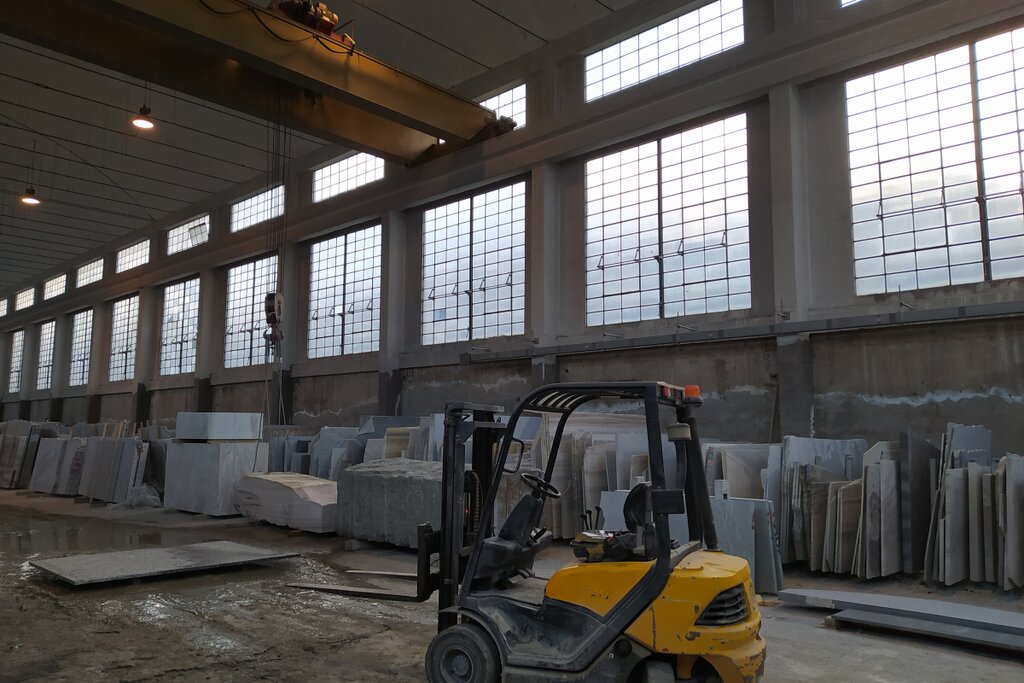
Propane forklifts use internal combustion engines, which means they require more traditional engine maintenance.
Depending on the forklift, service may include:
- Engine oil changes
- Filters
- Spark plugs
- Cooling system maintenance
- Fuel system service
- Transmission maintenance
Operating conditions can also affect how frequently the equipment needs attention.
A forklift working in a dusty outdoor environment may have different maintenance needs from a propane forklift operating inside a clean warehouse. Either way, on-site field service and shop service cover LP, diesel, and electric equipment.
This makes maintenance history particularly important when purchasing used equipment.
Ask how the forklift was used, review available maintenance records, and look beyond the hour meter when evaluating its overall condition.
Indoor Air Quality and Emissions
Electric forklifts have a clear advantage when eliminating tailpipe emissions from the immediate work environment is a priority.
Because electric forklifts do not have an internal combustion engine, they produce no tailpipe exhaust while operating.
That can make them especially attractive for enclosed warehouses and other facilities where equipment spends most of its time indoors.
Propane forklifts are also commonly used indoors. Because propane is a combustion fuel, however, the facility needs appropriate ventilation, and the equipment must be properly maintained.
Businesses should consider their facility layout, ventilation, operating requirements, and applicable workplace safety standards before making a decision. An ANSI inspection is one way to document that equipment is in safe operating condition.
Noise in the Workplace
Electric forklifts tend to operate more quietly than propane forklifts.
That can matter more than many businesses initially realize.
In a busy warehouse, employees may need to communicate while forklifts operate nearby. Lower equipment noise can make it easier to hear coworkers, radios, alarms, and other workplace sounds.
Noise may be less important in large outdoor yards, construction environments, and heavy industrial operations where other machinery is already operating.
The value of quieter equipment depends heavily on the work environment.
Runtime, Refueling, and Charging
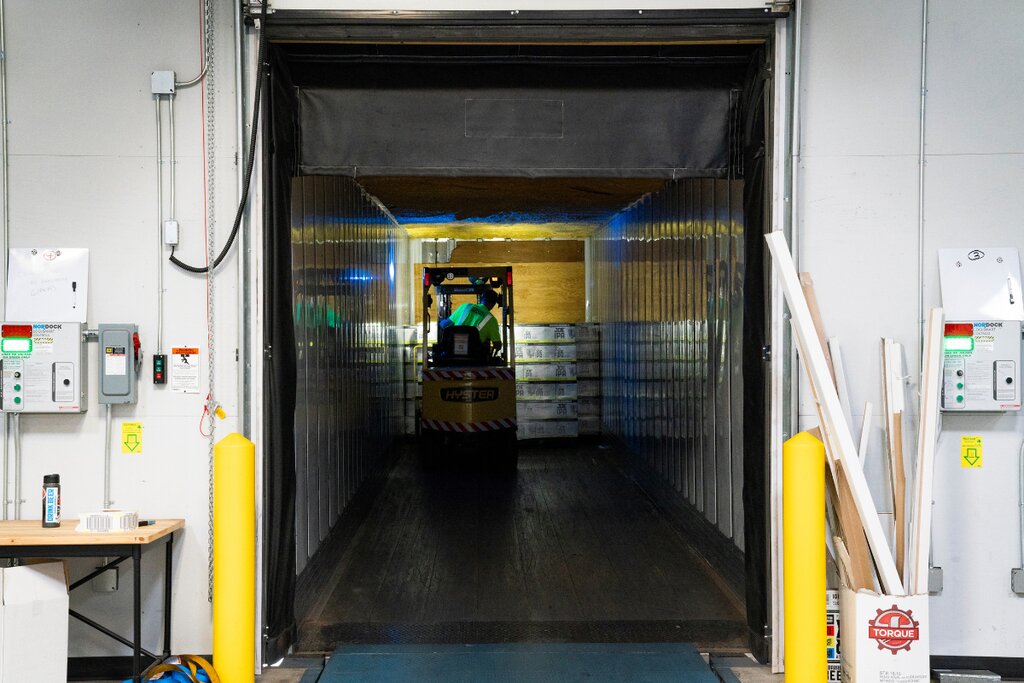
Runtime is one of the biggest considerations when choosing between electric and propane.
An electric forklift’s operating time depends on several factors, including:
- Battery size
- Battery age
- Battery chemistry
- Load weight
- Travel distance
- Lift frequency
- Operating temperature
A business running one shift may operate during the day and charge overnight without interrupting productivity.
Multi-shift facilities require more planning.
Traditional lead-acid batteries may require spare batteries or scheduled battery changes. Lithium-ion systems can allow opportunity charging during breaks, lunches, and shift changes.
Propane offers a different approach.
When a cylinder becomes empty, trained personnel can replace it with a full cylinder and quickly return the forklift to operation.
For businesses running forklifts for long periods or across multiple shifts, that quick turnaround can be a major operational advantage.
Performance and Load Requirements
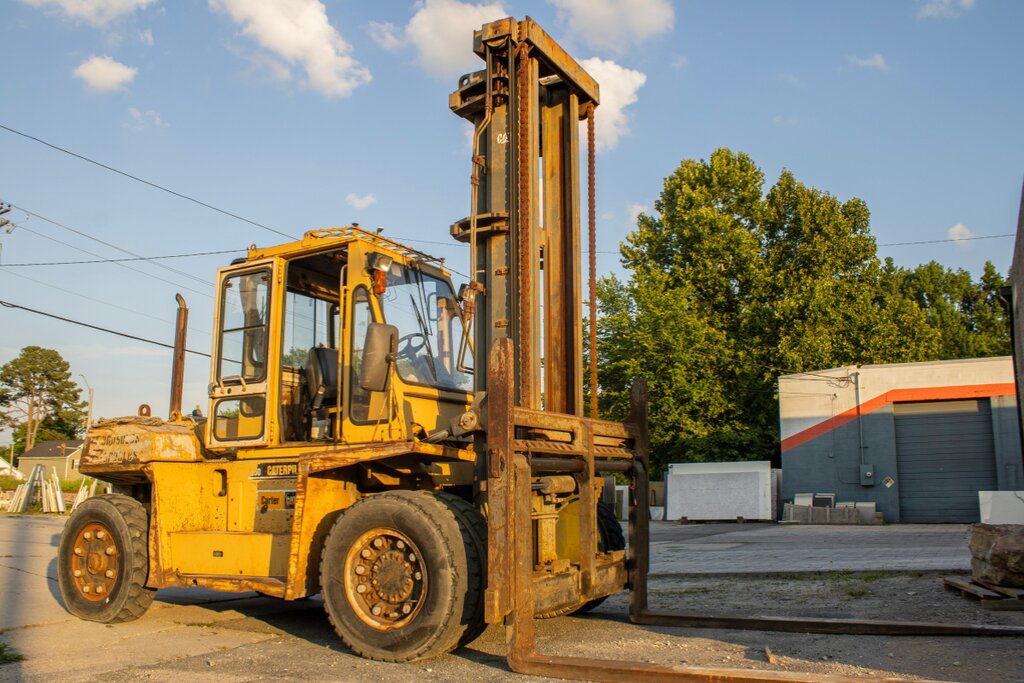
Modern electric forklifts can handle far more than light warehouse work.
Electric models come in a wide range of capacities and provide strong torque for frequent stopping, starting, lifting, and maneuvering.
They can be particularly effective in warehouses where forklifts repeatedly move pallets between racks, staging areas, and loading locations.
Propane forklifts are also well suited for demanding applications. They remain popular for long operating periods, heavier work, loading docks, and environments where equipment moves between indoor and outdoor areas.
Fuel type should never be the only performance consideration.
You also need to consider:
- Rated lifting capacity
- Load center
- Mast height
- Tire type
- Turning radius
- Fork dimensions
- Attachments
- Ground conditions
A properly configured forklift with the correct capacity will usually provide better results than choosing equipment based primarily on fuel type.
Which Is Better for Indoor Warehouses?
For a dedicated indoor warehouse, electric forklifts are often worth serious consideration.
They offer:
- No tailpipe emissions during operation
- Lower operating noise
- Excellent maneuverability
- Reduced engine-related maintenance
Facilities already equipped with charging infrastructure may find the transition especially straightforward.
Propane can still make sense indoors, particularly when the forklift needs to operate continuously or frequently moves between the warehouse, loading dock, and outdoor areas.
The deciding factor may come down to daily runtime and how easily the business can accommodate charging.
Which Is Better for Outdoor Work?
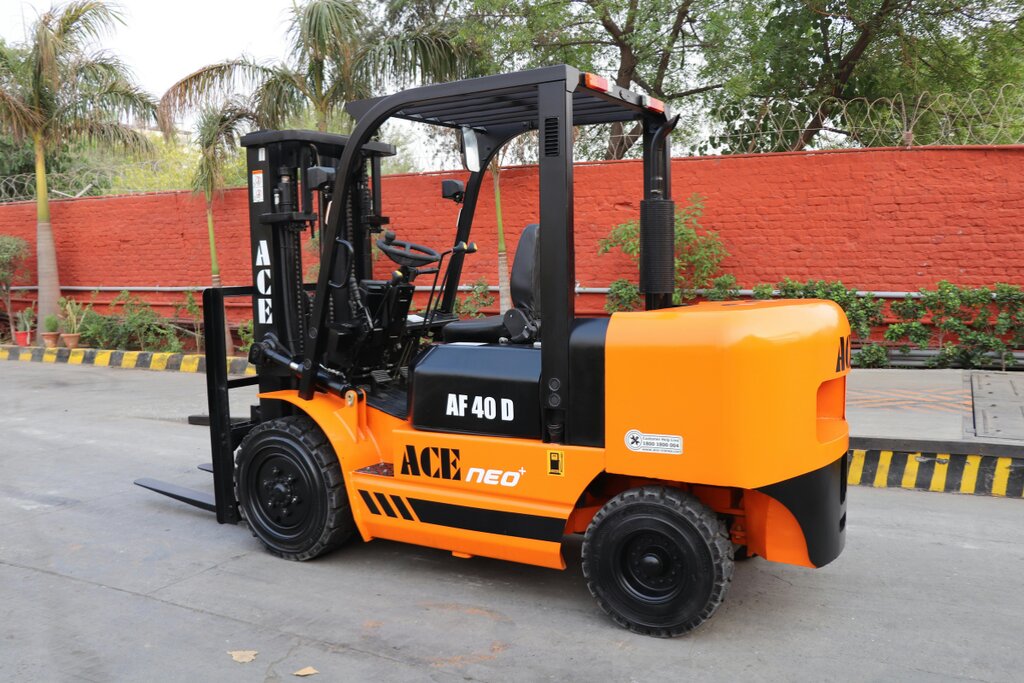
Propane forklifts often have an advantage for outdoor and mixed-use applications.
They can be refueled quickly and don’t rely on charging infrastructure at the job site.
Businesses using forklifts in outdoor yards, loading areas, manufacturing operations, and construction-related environments may appreciate that flexibility.
Electric forklifts can also operate outdoors when designed and configured appropriately.
Consider weather exposure, surface conditions, tires, ground clearance, and manufacturer specifications.
Arizona operations also need to consider heat. Demanding operating conditions can affect battery performance, cooling systems, tires, and other components.
What About Multi-Shift Operations?
Facilities operating 16 or 24 hours per day need to pay close attention to downtime.
A traditional electric forklift may need additional batteries or charging equipment to stay productive across multiple shifts.
Lithium-ion systems can help by allowing shorter charging sessions throughout the day.
Propane lets operators swap cylinders and resume work without waiting for a battery to charge.
That convenience can be valuable in high-volume distribution centers, manufacturing plants, and loading operations where equipment downtime can interrupt the entire workflow.
The right answer depends on how frequently the forklift operates and whether charging opportunities naturally exist during the workday. When demand spikes temporarily, a forklift rental can cover the extra shift without committing to another machine.
Used Electric vs. Used Propane Forklifts
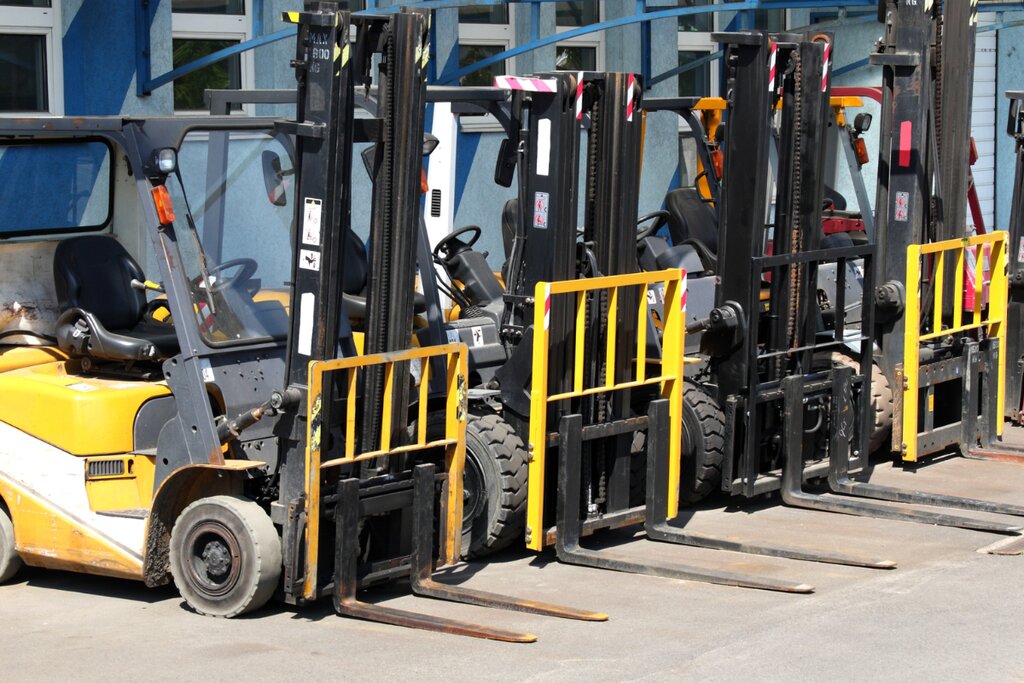
Used forklifts can be an excellent option for businesses that want dependable equipment without paying the price of a new machine.
Gunnar Forklift Sales specializes in quality used forklifts and carries equipment from manufacturers including Toyota, Hyster, Doosan, Komatsu, and Yale. The company also offers rentals and services for LP, diesel, and electric forklifts throughout the Phoenix area. Our guide to buying used forklifts walks through the inspection process in more detail.
When evaluating a used electric forklift, pay close attention to:
- Battery condition
- Battery age
- Charger compatibility
- Electrical systems
- Hydraulic operation
- Mast condition
- Fork wear
- Tires
Battery condition deserves particular attention because replacement can represent a significant additional investment.
For a used propane forklift, evaluate:
- Engine condition
- Starting performance
- Fluid leaks
- Cooling system
- Transmission
- Fuel system
- Hydraulic system
- Exhaust condition
- Maintenance history
Operating hours provide useful information, but they should never be the only factor when judging a forklift. We covered that in how many hours is too many for a used forklift.
A well-maintained machine with higher hours may be a better purchase than a low-hour forklift that received poor maintenance.
Electric vs. Propane Forklifts for Small Businesses
Small businesses should think carefully about actual usage before investing in additional infrastructure.
If a forklift operates only a few hours per week, the economics may look very different from a warehouse running equipment every day.
A quality used propane forklift may be practical for businesses that want flexible operation without adding charging infrastructure.
An electric forklift can be an excellent option when the machine primarily operates indoors and can easily charge while the business is closed.
For low-use operations, equipment condition, purchase price, service availability, and reliability may matter more than fuel cost. If you are not sure the workload justifies ownership at all, our breakdown of whether to rent or buy a forklift is a good next read.
How to Calculate Total Cost of Ownership
Before choosing a forklift, estimate what it will cost your business over several years.
Consider:
- Purchase price
- Electricity or propane
- Preventive maintenance
- Repairs
- Battery replacement
- Charger installation
- Propane storage
- Downtime
- Expected resale value
Then factor in how many hours the forklift will operate each year.
A warehouse using a forklift eight hours every weekday will place much more importance on energy efficiency and maintenance costs than a business using the same forklift a few hours each month.
This is why two businesses can evaluate the same electric and propane forklifts and reasonably reach different conclusions.
Questions to Ask Before Buying
Before choosing between electric and propane, answer these questions:
- Will the forklift operate indoors, outdoors, or both?
- How many hours will it run each day?
- Will it operate across multiple shifts?
- What is the maximum load weight?
- What lift height is required?
- Does the facility already have suitable electrical capacity for charging?
- Is propane readily available?
- How important are indoor emissions and operating noise?
- What type of floor or ground surface will the forklift travel over?
- Would purchasing used equipment provide better value for the expected workload?
The more specific you are about the application, the easier it becomes to narrow down the right forklift.
Frequently Asked Questions
Choose the Forklift That Fits Your Operation
Electric and propane forklifts both have advantages.
Electric forklifts are especially attractive for indoor operations where lower noise, zero tailpipe emissions during operation, and reduced engine maintenance are priorities.
Propane forklifts offer fast refueling, flexible indoor and outdoor operation, and dependable performance for businesses that need equipment running for long periods.
The better choice depends on how your business actually uses the forklift.
Before deciding, consider your operating hours, load requirements, facility layout, fuel or charging access, maintenance expectations, and long-term ownership costs.
Find the Right Forklift With Gunnar Forklift Sales
If you are comparing electric and propane forklifts, Gunnar Forklift Sales can help you evaluate available equipment based on your capacity requirements, operating environment, expected hours, and budget.
Gunnar Forklift Sales provides used forklifts, forklift rentals, and service from its Phoenix location, with inventory and service capabilities covering multiple forklift types and manufacturers.
Browse the current forklift inventory or contact Gunnar Forklift Sales at 602-549-8333 to discuss the right forklift for your operation.